

سيارات الهيدروجين أم الكهرباء؟ أحدث تقنيات 2025 | كفرات بلس
اكتشف مزايا وفروقات سيارات الهيدروجين والسيارات الكهربائية في السعودية لعام 2025 مع كفرات بلس. دليل شامل للشحن، الصيانة، واختيار التقنية الأنسب لقيادة نظيفة واقتصادية.
Key Highlights
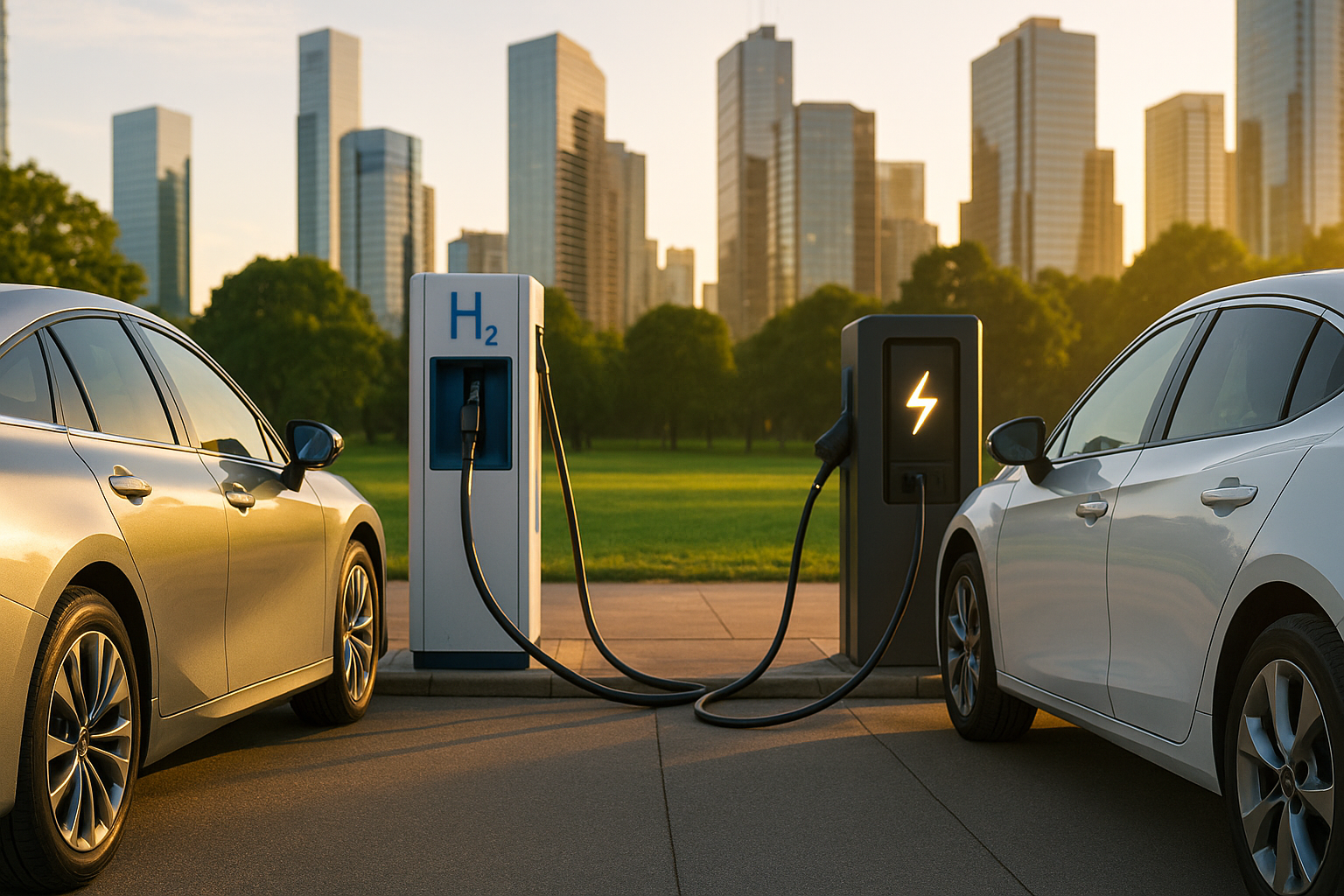
- Rapid technological developments: Both battery electric vehicles (BEVs) and hydrogen fuel cell vehicles (FCEVs) are witnessing major advancements in 2025, as advanced batteries and ultra-fast charging enhance the efficiency of electric vehicles, while third-generation fuel cells and storage technologies improve the performance of hydrogen vehicles, opening new horizons for clean driving.
- Complementary roles in the future: The two vehicle technologies are expected to complement each other within the global transportation system; electric vehicles excel in urban use and short distances thanks to their available infrastructure and lower operating costs, while hydrogen vehicles stand out as an ideal option for applications requiring long range and rapid refueling.
- Green infrastructure as the cornerstone: Investment in green infrastructure, including fast-charging stations and green hydrogen refueling stations, is a critical factor in accelerating the adoption of zero-emission vehicles.
As 2025 approaches, the automotive industry is undergoing a fundamental shift toward cleaner solutions. In this context, hydrogen vehicles and electric vehicles are emerging as two leading technologies seeking to redefine global transportation.
Electric Vehicles: Battery Power and Advanced Charging
Electric vehicles continue to dominate the zero-emission vehicle market, driven by rapid developments in battery technologies and charging systems.
Battery Performance and Energy Density
The average energy density of lithium-ion batteries reached approximately 330 watt-hours/kg in 2025. LFM batteries have also emerged with a range exceeding 900 km in NIO and ZEEKR models.

Image showing lithium-ion batteries used in electric vehicles.
Fast-Charging Technologies
More than 5.8 million public charging points worldwide, including 75 thousand ultra-fast charging stations with capacities of 400–500 kW.
Cost of Ownership
Battery cell costs have fallen to 84 USD/kWh, allowing compact electric vehicles to be introduced at prices below 25 thousand USD.
Hydrogen Vehicles: Innovation in Fuel Cells and Storage
Hydrogen vehicles rely on fuel cells to convert hydrogen into electricity and produce water as a by-product.
Fuel Cell Developments
Toyota's third-generation fuel cells deliver 152 kW of power with 62% efficiency.

Image showing high-pressure hydrogen tanks.
Hydrogen Infrastructure
Only 1150 refueling stations worldwide, with efforts underway to reduce the cost of building each station to 1.2 million USD.
Comprehensive Comparison Between Hydrogen and Electric Vehicles in 2025
Detailed Comparison Table
| Feature | FCEV | BEV |
|---|---|---|
| Efficiency | 25-35% | 60-70% |
| Driving Range | 640-1040 km | 300-900+ km |
| Refueling/Charging | 3-5 minutes | 12-15 minutes (fast) |
| Cost per Kilometer | 0.35 MAD | 0.10 MAD |
| Infrastructure | Limited | Advanced |
The Future of Green Infrastructure
Green infrastructure includes connecting charging stations to renewable energy sources and producing green hydrogen.

Environmental Footprint: Green Hydrogen vs. Renewable Electricity
The environmental impact of each technology depends on the primary energy source. Kafarat Plus recommends relying entirely on renewable sources to ensure genuine zero emissions.
Tips for Choosing and Maintaining the Right Vehicle
How to Choose?
- Daily urban commuting < 200 km → Electric vehicle.
- Heavy transport or long-distance trips → Hydrogen vehicle when refueling stations are available.
Maintenance Tips
- Tire Care (EV): Use tires rated for EVs and check the tire pressure.
- Service hydrogen tanks annually.
- Avoid consistently charging the battery above 90%.
Frequently Asked Questions
Conclusion
Regardless of your choice, Kafarat Plus can help you maintain your vehicle and ensure optimal performance.
Explore More
Reference Sources
See the end of the article for the complete list of sources.
Last updated July 10, 2025