

إطارات سيارتك في حرارة الصيف: دليل شامل لإطالة العمر والأمان
اكتشف أفضل النصائح والخطوات العملية الحفاظ على إطارات السيارة في المناخ الحار، من فحص الضغط الدوري إلى التخزين الصحيح لضمان سلامتك وطول عمر الإطارات.
Discover the best practices for maintaining car tires in hot climates and ensuring safe and efficient driving.
Key Highlights for Your Tire Safety in Extreme Heat
- Pressure is Key:
Maintain correct tire pressure and check it regularly, especially in the morning when they are cold. - Sun Protection:
Avoid parking the car in direct sunlight and use tire covers to protect against UV rays. - Regular and Periodic Maintenance:
Rotate tires and adjust alignment and balancing regularly to ensure even wear and a longer lifespan.
Car tires are a vital element for driving safety and efficiency, and their importance increases in hot climates. High temperatures directly affect tire components, accelerating their deterioration and increasing the risk of damage or blowouts. This comprehensive guide aims to provide you with the best practices and tips for maintaining your car tires, ensuring their longevity and optimal performance in hot environments.
Maintaining Car Tires in Hot Climates
Understanding the Impact of Heat on Tire Lifespan
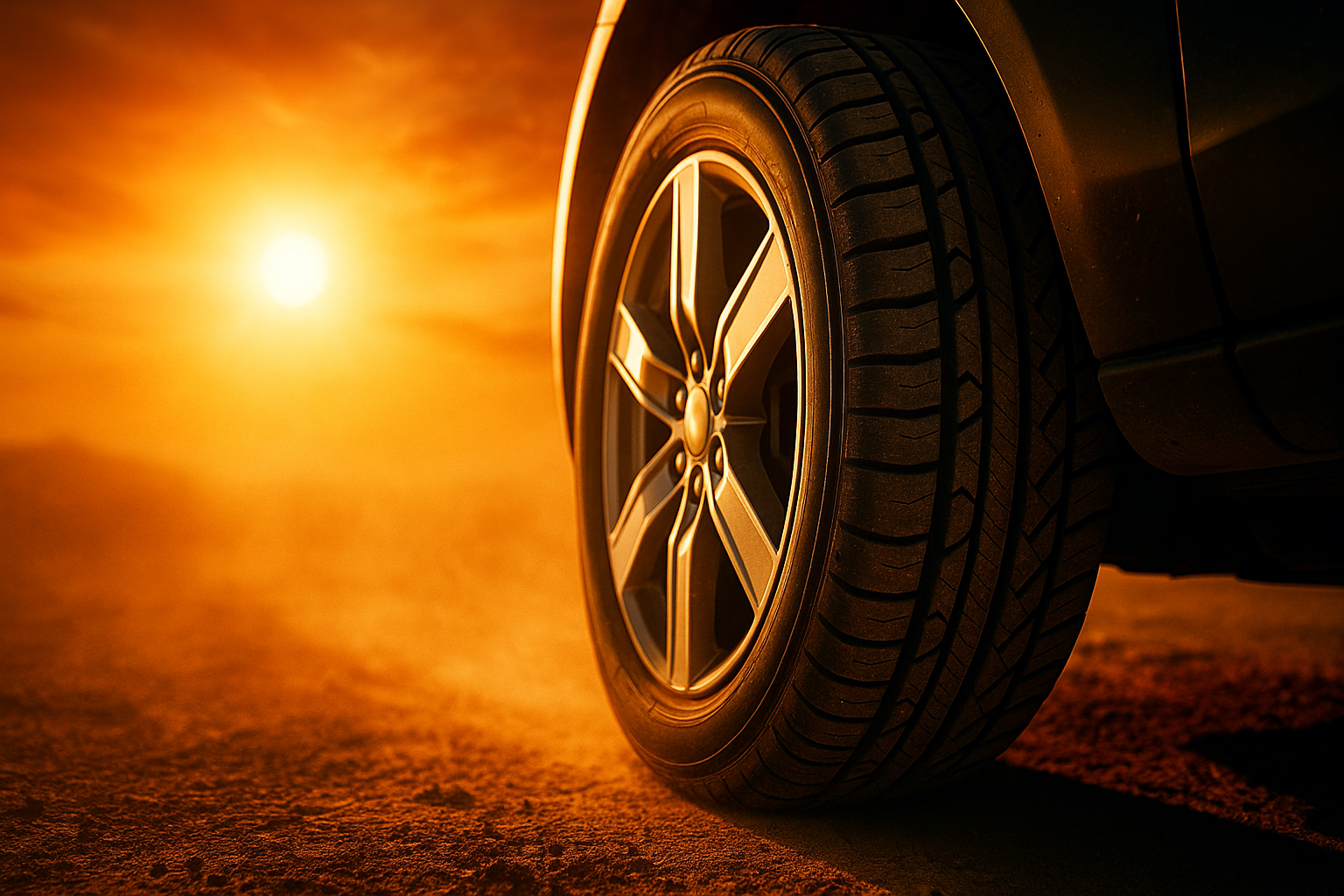
Tires are made of rubber materials and chemical compounds that are affected by extreme heat. High temperatures can cause the air inside the tire to expand, increasing internal pressure and making the tire more susceptible to blowouts. Furthermore, continuous exposure to direct sunlight and UV rays causes the rubber to dry out and crack, reducing its flexibility and durability. Driving at high speeds in hot weather also increases friction, significantly raising the tire's temperature, which accelerates wear and reduces the tire's lifespan.

Daily and Periodic Tire Maintenance: Pillars of Protection
Maintaining car tires in hot climates requires a commitment to daily and periodic maintenance. These practices are not limited to checking pressure only, but also include cleanliness care, protection from environmental factors, and ensuring the overall structural integrity of the tire.
Controlling Tire Pressure: The First Safety Factor
Maintaining correct tire pressure is the most crucial step to ensure tire safety and longevity in hot climates. Heat increases the air pressure inside tires, and excessive pressure can lead to blowouts, while low pressure causes uneven wear and increases tire heat due to increased friction.
Checking Pressure Regularly
It is recommended to check air pressure at least once a week, preferably in the early morning when the tires are "cold" (after the car has been parked for more than three hours or before driving a long distance). The pressure should match the value recommended by the car manufacturer, which is usually found in the owner's manual or on a sticker inside the driver's door or fuel cap. Remember that heat raises pressure by 1 PSI for every 10 degrees Celsius.
Nitrogen vs. Regular Air
Nitrogen gas can be used instead of regular air to fill tires. Nitrogen is less prone to expansion and contraction with temperature changes, and it does not oxidize with rubber, which reduces tire aging and maintains constant pressure for a longer period. This reduces the risk of blowouts by up to 30% and helps extend tire life.
Protection from Direct Sunlight
Ultraviolet (UV) rays are a silent enemy of tires, as they cause the rubber to dry out, crack, and lose its flexibility.
Parking in the Shade
If possible, always try to park your car in the shade or in a closed garage to reduce the tires' exposure to direct sunlight.
Using Tire Protectants
Applying a layer of rubber-silicone tire wax or tire protectants containing UV-blocking ingredients can provide additional protection and help maintain rubber flexibility and prevent cracking.


Visual Inspection and Tread Depth: Warning Signs
Periodic tire inspection reveals potential problems before they worsen.
Checking Tread Depth
Tire tread depth should be checked regularly. The legal minimum tread depth is 1.6 mm, but in hot climates, it is preferable to replace tires when the depth falls below 2 mm to ensure adequate grip and braking performance. A tread depth gauge or even a coin can be used for measurement.
Looking for Cracks and Bulges
Carefully inspect the tire's sidewalls and surface for any cracks, bulges, or signs of uneven wear. These signs may indicate internal damage requiring immediate inspection by a specialist.
Cleaning and Surface Care
Keeping tires clean helps protect them from harmful substances.
Periodic Washing
Clean tires regularly using water and pH-neutral soap to remove dirt, mud, and chemicals that may accumulate on them. Use a soft brush or a microfiber cloth.
Waxing and Protection
After cleaning, a thin layer of rubber-silicone wax can be applied. This not only protects against UV rays but also helps restore protective oils to the rubber, maintaining its flexibility and preventing stiffening and cracking.
Advanced Maintenance: To Ensure Maximum Tire Lifespan
Alongside daily care, there are periodic and advanced maintenance procedures that significantly contribute to extending tire life and enhancing their safety, especially under hot climatic conditions.
Tire Rotation, Alignment, and Balancing
Uneven wear is one of the main reasons for shortened tire life. This problem can be addressed through periodic maintenance.
Tire Rotation
It is recommended to rotate tires every 5,000 to 12,000 kilometers (or approximately every six months). Tire rotation means changing their positions (such as swapping front tires with rear ones, or swapping them diagonally) to ensure even wear for all tires, which extends their lifespan and provides balanced vehicle performance.
Alignment and Balancing
Tire alignment and balancing should be checked and adjusted annually or every 20,000 to 25,000 kilometers. Incorrect alignment leads to uneven tire wear, while unbalanced tires cause vehicle vibration, increasing stress on the tires and other suspension components.
Choosing the Right Tires for Hot Climates
Not all tires are equal in their ability to withstand heat.
Summer and All-Season Tires
In hot climate regions, it is preferable to use tires specifically designed for summer or "All-Season" tires with an "A" temperature rating. These tires are made of rubber compounds that withstand high temperatures and provide excellent performance on dry and wet roads. Avoid winter tires in summer, as they wear out quickly and lose their effectiveness in the heat.
Manufacturing Date and Lifespan
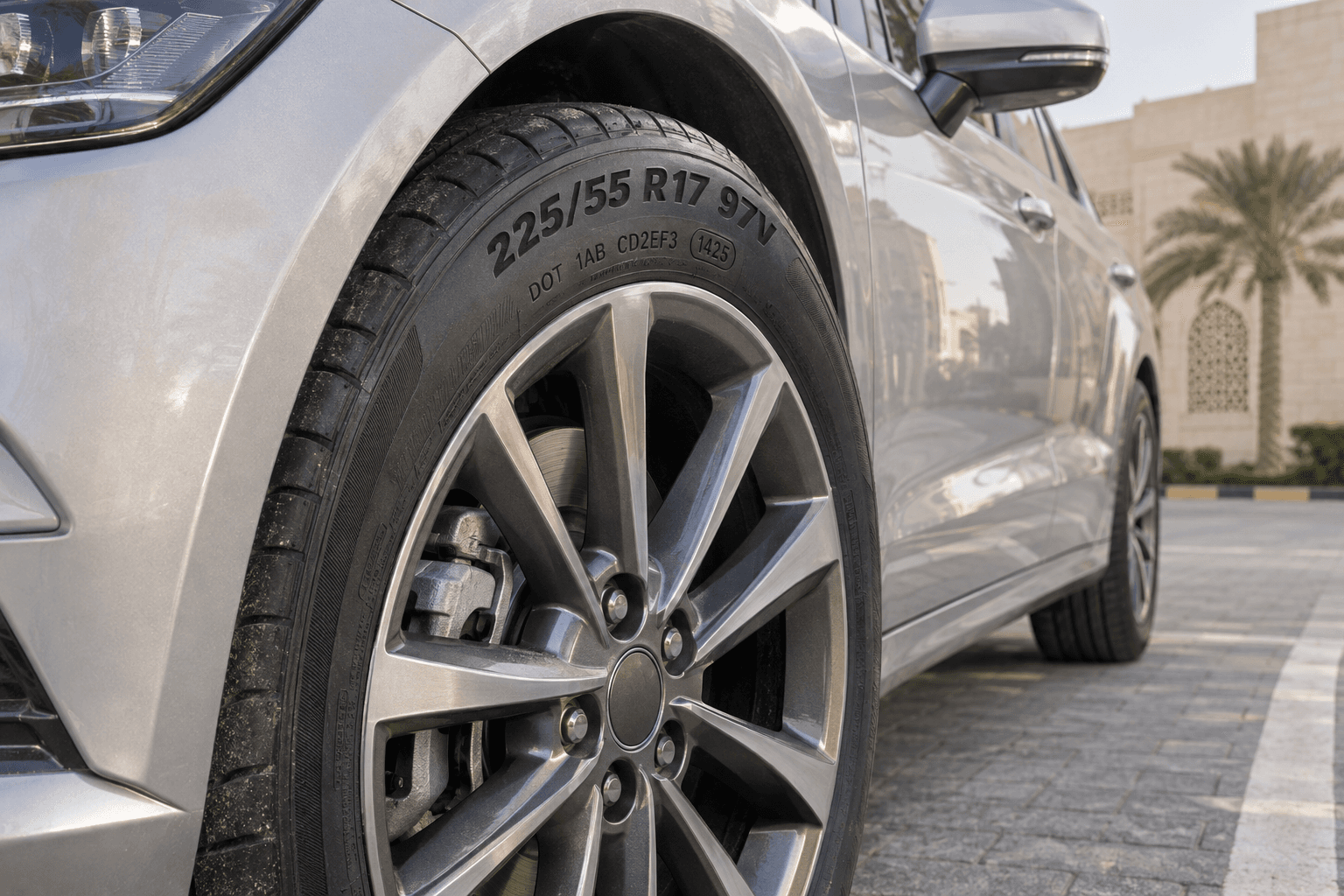
The tire's manufacturing date should be checked (usually printed on its sidewall as a DOT code). It is preferable that the manufacturing date does not exceed 18 months at the time of purchase. In hot climates, the typical lifespan of tires ranges between 4 to 5 years, and may reach 7 years under the best conditions, whereas it can reach 10 years in moderate climates. It is recommended to replace tires if they are older than 6 years, even if they appear to be in good condition, due to rubber aging.
Overloading and Excessive Speed
Overloading and high speed are factors that increase stress on tires.
Avoiding Overloading
Exceeding the vehicle's recommended maximum load limit increases pressure on the tires, causing their temperature to rise and leading to rapid wear. Every extra 100 kg can shorten the tire's life by 5%.
Driving at a Reasonable Speed
Driving at high speeds, especially in the summer afternoon, increases friction between the tire and the road, raising the tread temperature above 80 degrees Celsius. It is recommended to maintain a speed of less than 120 km/h in summer, as every 10 km/h increase consumes an additional 2% of the rubber. Sudden acceleration and braking also increase heat and wear.
Storing Tires Properly
If you are storing unused tires (such as off-season winter tires), the storage method significantly affects their lifespan.
Ideal Storage Environment
Store tires in a clean, cool (15-25°C), and dry (humidity less than 60%) place, away from direct sunlight, heat sources, and ozone sources (such as electric motors).
Storage Methods
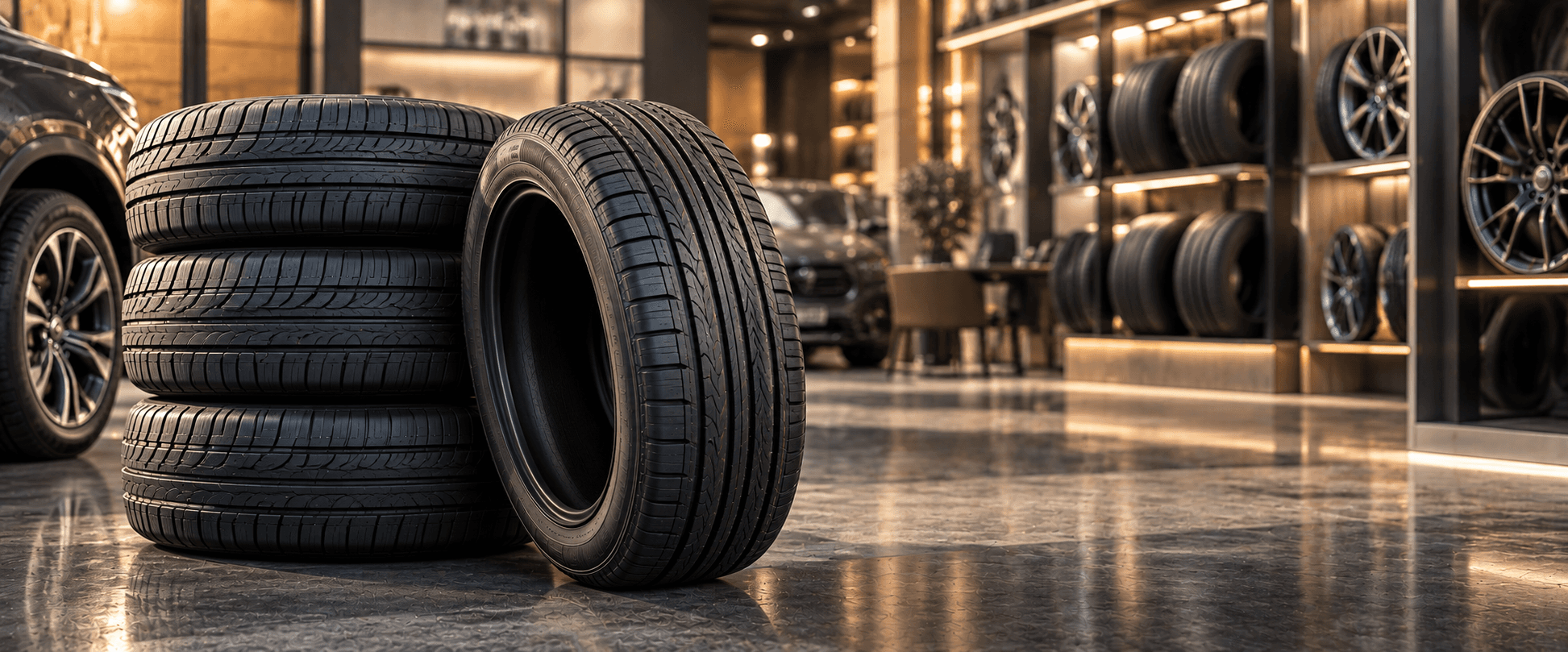
Tires should be placed vertically on wooden shelves or hung. If stacked horizontally, air pressure should be reduced by 10%. Cover the tires with opaque, breathable polyester bags for protection.
| Factor/Practice | Impact on Tire in Hot Climate | Tips for Tire Maintenance | Recommended Frequency |
|---|---|---|---|
| Air Pressure | Pressure increases with heat, which can cause blowouts or uneven wear. | Maintain recommended pressure (e.g., 30-35 PSI), and check when tires are cold. | Weekly or before every long trip. |
| Exposure to Sun and UV Rays | Causes rubber drying, cracking, and loss of flexibility. | Park in shade, use tire covers, and apply UV protectants. | Daily (for parking), every 1-2 months (for waxing). |
| Overloading | Increases pressure on tires, raising their temperature and causing premature wear. | Do not exceed the manufacturer's recommended maximum load limit. | Always. |
| Speed and Aggressive Driving | Increases friction and heat, accelerating wear and reducing lifespan. | Maintain a reasonable speed (under 120 km/h), avoid sudden braking and acceleration. | Always. |
| Tread Depth and Tire Integrity | Worn tread reduces grip; cracks and bulges indicate damage. | Check tread depth (not less than 1.6 mm), look for any cracks or bulges. | Monthly (for visual inspection), every 4 months (for tread depth). |
| Tire Rotation | Ensures even wear among tires and extends their life. | Rotate tire positions regularly according to the recommended rotation pattern. | Every 5,000-12,000 km or every 6 months. |
| Alignment and Balancing | Prevents uneven wear and vibrations. | Adjust vehicle alignment and tire balancing to maintain stability. | Annually or every 20,000-25,000 km. |
| Tire Type and Manufacturing Date | Some tires withstand heat better; rubber ages over time. | Choose summer or All-Season tires with an "A" temperature rating; ensure the manufacturing date is recent. | At purchase (for date), every 4-7 years (for replacement). |
| Cleaning and Protection | Removes dirt and maintains rubber flexibility. | Clean tires regularly with water and soap, and apply a protective wax layer. | Weekly (for cleaning), every 1-2 months (for waxing). |
| Proper Storage | Prevents damage to unused tires. | Store tires in a cool, dry, dark place, away from ozone sources. | When storing tires for long periods. |
What is the ideal tire pressure for a car in summer?
The ideal pressure is what your car manufacturer recommends, which you can usually find on a sticker inside the driver's door or in the owner's manual. Pressure should be checked when the tires are cold (before driving a long distance or early in the morning), and air should not be released from them while they are hot.
Should nitrogen be used instead of regular air in tires?
Using nitrogen can be beneficial in hot climates because it is less affected by temperature changes than regular air, maintains constant pressure for a longer period, and does not cause rubber oxidation. However, it is not absolutely necessary; regular air is sufficient with periodic pressure checks.
How often should car tires be rotated?
It is recommended to rotate tires every 5,000 to 12,000 kilometers or every 6 months to ensure even wear and extend their lifespan.
When should car tires be replaced in hot climates?
In hot climates, it is recommended to replace tires when the tread depth falls below 2 mm, or when cracks or bulges appear, or when they are older than 4-5 years, even if they appear to be in good condition, due to heat-induced rubber aging.
Does parking the car under the sun only affect the tires?
No, parking the car under direct sunlight negatively affects many car components, including the car paint, interior parts (such as the dashboard and seats), car battery, and air conditioning system.
Conclusion
Caring for car tires in hot climates is not just a luxury, but a necessity to ensure road safety and vehicle efficiency. By committing to regular air pressure checks, protecting tires from sunlight, performing periodic maintenance such as rotation and alignment, and choosing the right tires, we can significantly extend tire life and reduce potential risks. Remember that a single healthy tire can make the difference between a safe journey and a regrettable accident.
- How to protect car tires from high heat
- Tips to avoid car tire blowouts in summer
- Best ways to store car tires in hot weather
- Checking tire pressure in hot climates to extend lifespan
- Choosing suitable tires for summer and high heat